




Scholarly communication is undergoing transformations linked to open science, digital infrastructures, and global struggles for visibility. In the Latin American context, the role of journals and SciELO in consolidating a more inclusive, transparent publishing system guided by the IDEIA principles stands out. … Read More →
Contextual frameworks and possible interpretations for science communication

The expansion of scientific discourse through social media and podcasts is redefining the ways in which knowledge is disseminated and the formats in which it is published. Urbe’s experience highlights the potential of these strategies to broaden reach, diversify audiences, and strengthen the social impact of scientific output. … Read More →
Research data repository in Urban Studies

Open access to research data is a key pillar of open science, as it enhances the transparency of findings and facilitates their reuse in future research. This topic raises epistemological questions relevant to Urban Studies, positioning itself as a central issue on the contemporary editorial agenda. … Read More →
The Ethical and Editorial Challenges of Artificial Intelligence in Knowledge Production for Urban Studies

The use of AI in scholarly communication strains principles of transparency, authorship, and integrity by introducing opacity, undermining accountability, and reinforcing geopolitical asymmetries. In response, there is a growing need for editorial policies that regulate its use and preserve the legitimacy of the knowledge produced. … Read More →
Reflecting on Urbanism in Latin America Between Empirical and Epistemological Contributions

Latin American urban studies challenge models from the Global North, calling for approaches that are sensitive to their specific characteristics. The journal urbe’s output highlights epistemological plurality, thematic diversity and a focus on the region, reflecting a field grounded in critical and contextually situated research agendas. … Read More →
urbe. Revista Brasileira de Gestão Urbana and the contributions to thinking about urbanism in Latin America

Since its inception, the journal urbe has been guided by a strong editorial commitment to open science and to the output of situated knowledge about and within Latin America—principles addressed in the series of posts for the SciELO in Perspective Blog’s Special Week. … Read More →
Emotional Exhaustion among Funeral Service Workers during the Pandemic Reveals Devaluation and Invisibility
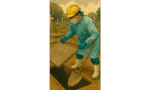
During the COVID-19 pandemic, many occupational groups classified as essential did not receive adequate protection or care. Interviews with municipal funeral service workers in São Paulo revealed that the pandemic intensified invisibility, devaluation, and the precariousness of working conditions within this group. The consequences included emotional exhaustion, loss of meaning in work, and mental suffering. … Read More →
Book Reviews Allow Critical Evaluation of Reference Works
Critical book reviews can be a valid means of disseminating S&T in the field of occupational health due to their potential for technical-scientific literacy. Beyond introducting this issue in matters of Occupational Safety & Health (OSH) and in order to provide a brief contextualization of this type of document, a published review of the book « Rédonner du Sens au Travail » is also presented at the end. … Read More →
Solidarity Economy Promotes Mental Health and Social Justice through an Agroecological Network

Recognizing alternative ways of living that value sustainability, dignified life and work, and political and economic justice is essential to mitigating environmental degradation and social precarization. The Justa Trama network exemplifies how solidarity economy serves as a form of resistance to capitalism capable of fostering a fairer society. … Read More →
Work Analyzing 30 Years of Accidents Brings New Perspectives to Industrial Safety
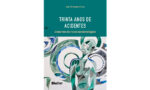
Interview with Jean-Christophe Le Coze about his book Thirty Years of Accidents: The New Face of Sociotechnical Risks, which offers an analysis of three decades of industrial accidents and proposes new models for understanding sociotechnical risks in an increasingly complex world. … Read More →


Recent Comments