




Recognizing alternative ways of living that value sustainability, dignified life and work, and political and economic justice is essential to mitigating environmental degradation and social precarization. The Justa Trama network exemplifies how solidarity economy serves as a form of resistance to capitalism capable of fostering a fairer society. … Read More →
Work Analyzing 30 Years of Accidents Brings New Perspectives to Industrial Safety
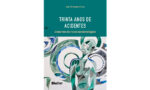
Interview with Jean-Christophe Le Coze about his book Thirty Years of Accidents: The New Face of Sociotechnical Risks, which offers an analysis of three decades of industrial accidents and proposes new models for understanding sociotechnical risks in an increasingly complex world. … Read More →
The Vector Control Workers from the State of Rio de Janeiro Struggle for Health
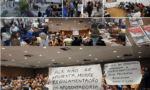
The struggle for health by vector control workers in the state of Rio de Janeiro highlights the importance of collaboration between workers and researchers to improve working conditions. … Read More →
Occupational Therapy Contributes to Rethinking the Centrality of Work in People’s Lives

Occupational Therapy can help us find balance among the various occupations we undertake throughout life. The centrality of work in adult life occurs in a world marked by mental illness and precarious labor conditions. It is necessary to question this supremacy and make room for other occupations. … Read More →
Neoliberal management of work-related psychosocial risks shifts responsibility onto workers

Addressing psychosocial risks in the workplace may be challenging within the framework of neoliberal capitalist management, which often prioritizes individual solutions and shifts responsibility onto employees instead of implementing systemic changes to improve potentially harmful working conditions. … Read More →
Work-Related Diseases List Expands Recognition of Occupational Cancer

The new Work-Related Diseases List (Lista de Doenças Relacionadas ao Trabalho – LDRT) issued by Brazil’s Ministry of Health expanded from 182 to 347 disease codes and from 14 to 50 types of neoplasms. This represents a major achievement, reported in the Occupational Cancer Dossier of the Brazilian Journal of Occupational Health / Revista Brasileira de Saúde Ocupacional (RBSO). … Read More →
Climate change impacts the health of agricultural workers

We rarely stop to consider the journey our food takes – from preparing the land for planting to reaching the tables of Brazilian families. At the start of this journey there are the agricultural workers, who carry out a heavy workload and face growing challenges to their well-being, safety, and health – challenges that are being intensified by climate change. … Read More →
Performance Evaluation Sets Unattainable Goals for Bank Workers

In the context of neoliberal expansion, domination over workers shifts from subjection of their bodies to control of their subjectivity. An analysis of a performance evaluation tool used by a private Brazilian bank reveals the prescription of unattainable goals. … Read More →
Brazilian Journal of Occupational Health in the SciELO in Perspective Special Week

For this Special Week, the Brazilian Journal of Occupational Health/Revista Brasileira de Saúde Ocupacional (RBSO) presents a selection of recent publications that showcase its multidisciplinary scope and diversity of formats within the field of Occupational Health. These works address relevant and emerging topics that explore the complex contemporary relationships between health and work. … Read More →
National Survey Reveals Gaps in Brazilian Endocrinologists’ Education Practices on Adrenal Insufficiency

A national survey of 280 Brazilian endocrinologists revealed only moderate adherence to guidelines on adrenal insufficiency management. Physicians answered correctly in 63.3% of stress-dose adjustment scenarios, with 41.1% failing to endorse self-injection during crises. Findings highlight systemic, educational, and cultural gaps compromising patient safety and preventive care. … Read More →


Recent Comments